
Why is Interior Design Important: Transform Your Space & Life
Interior design shapes the spaces where we live and work. It impacts mood, functionality, and aesthetics.
Understanding why is Interior Design Important? Its can enhance our everyday experiences. Interior design is more than arranging furniture and picking colors. It’s about creating spaces that reflect personalities and meet practical needs.
Well-designed interiors can boost productivity, comfort, and even happiness. They balance beauty with utility, making spaces inviting yet functional.
From homes to offices, interior design influences how we feel and interact with our surroundings. It can transform any space into a haven or a hub for creativity. Knowing its value helps in making informed decisions about our environments. Explore how interior design plays a crucial role in shaping lives and enhancing spaces.
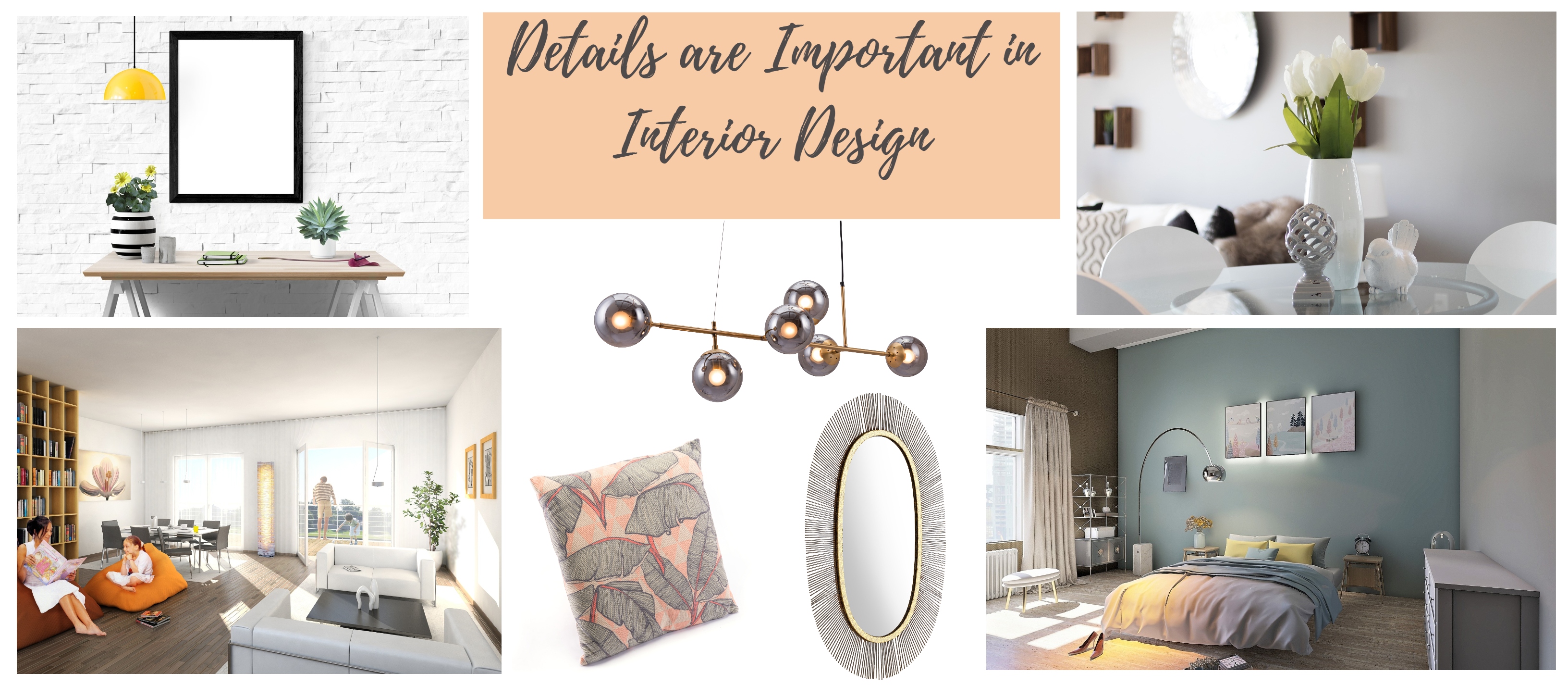
Credit: www.zuomod.com
Impact On Mood
Interior design is not just about making a space look good; it has a profound impact on your mood. The way a room is designed can affect how you feel, think, and interact. A well-designed space can uplift your spirits and make you feel more relaxed and comfortable.
Color Psychology
Colors have a strong influence on your emotions. They can make you feel energized, calm, happy, or even sad. For instance, blue is known to create a sense of calm and relaxation, making it a great choice for bedrooms or bathrooms.
Red, on the other hand, can boost energy levels and is often used in dining rooms or kitchens to stimulate appetite. Think about the last time you walked into a room painted in a bright, cheerful yellow. Did it make you feel happy and energized? That’s the power of color psychology in interior design.
Space Harmony
How furniture and decor are arranged in a room can affect your mood as well. A cluttered space can make you feel stressed and overwhelmed, while a well-organized room can bring a sense of peace and order.
Imagine walking into a living room where everything is in its place, and there is a natural flow from one area to another. This harmony creates a balance that can make you feel more relaxed and at ease.
Do you feel more comfortable in a tidy, well-arranged space? Chances are, you do, and that’s because your environment plays a crucial role in your overall well-being.
By paying attention to color psychology and space harmony, you can create an interior design that not only looks good but also makes you feel good. What changes can you make in your home to improve your mood?
Functional Spaces
Functional spaces are crucial in interior design. They ensure every room serves a specific purpose. This prevents clutter and makes living areas more enjoyable. Let’s explore how efficient layouts and purposeful furniture contribute to functional spaces.
Efficient Layouts
Efficient layouts maximize the use of available space. They consider traffic flow and ensure easy movement. In a well-designed room, furniture placement avoids blocking pathways. This creates a balanced environment. It also helps in organizing activities without any hassle.
Proper layouts also enhance natural light. They help in positioning windows and doors strategically. This not only saves energy but also uplifts the mood. Efficient layouts make a room feel larger and more welcoming.
Purposeful Furniture
Purposeful furniture serves specific needs. It is chosen based on the room’s function. For example, in a living room, a comfortable sofa and coffee table are essential. In a study, a sturdy desk and ergonomic chair are important.
Each piece of furniture should have a clear role. This prevents overcrowding and ensures harmony. Multipurpose furniture can also be a great addition. For instance, a sofa bed can serve dual purposes. Purposeful furniture enhances usability and aesthetics.
Aesthetic Appeal
Interior design’s aesthetic appeal impacts how we feel in a space. It shapes our mood and creates a welcoming atmosphere. Beautiful designs make rooms feel inviting and comfortable. Thoughtful design choices can transform ordinary spaces into extraordinary ones.
Visual Balance
Visual balance ensures a room feels harmonious. It involves arranging furniture, colors, and decor in a pleasing way. Balanced designs create a sense of calm and order. They make spaces more functional and enjoyable.
Personal Style
Interior design reflects personal style. It allows individuals to express themselves through their surroundings. Unique decor choices make a home feel personal and special. Personal style adds character and warmth to any space.
Credit: unityinteriors.com
Health Benefits
A well-designed interior boosts mental well-being by creating a calming environment. Natural light and organized spaces reduce stress and enhance mood. Thoughtful color choices can promote relaxation and increase productivity.
Interior design is more than making a space look pretty. It can improve health and well-being. The right design can boost mood and reduce stress. It can also improve physical health in many ways. Let’s explore why is Interior Design Important and how interior design impacts health with natural light and air quality.
Natural Light
Natural light is essential in interior design. It brightens spaces and boosts mood. Exposure to natural light helps regulate sleep patterns. It supports mental health and increases energy levels.
Sunlight also provides Vitamin D, which is vital for bone health. Large windows and open spaces allow more light. Use light-colored walls to reflect sunlight. This creates a brighter and healthier environment.
Air Quality
Air quality affects health significantly. Good interior design improves air circulation. It reduces allergens and pollutants in the home. Plants are a great addition. They purify the air and add beauty. Proper ventilation systems are crucial. They ensure fresh air enters and stale air exits.
Choose materials that do not release harmful chemicals. This helps maintain better air quality indoors. Healthy air reduces respiratory issues and enhances overall well-being.
Interior design plays a vital role in health. It promotes natural light and ensures good air quality. Both are key to creating a healthy living space.
Increased Productivity
Interior design does more than beautify a space. It plays a significant role in enhancing productivity. A well-designed environment can inspire and motivate. It helps people perform tasks efficiently. This is crucial in both personal and professional settings.
Organized Spaces
Clutter can distract and reduce focus. An organized space boosts concentration. It helps in managing time better. Interior design can ensure everything has its place. This creates a streamlined environment.
Easy access to essentials saves time. It makes tasks feel less overwhelming. Order brings a sense of calm. This tranquility supports better work output.
Inspiring Environments
The surroundings affect mood and productivity. A well-designed space can inspire creativity. Colors, light, and textures play a role. Bright colors energize. Soft hues promote relaxation. Natural light boosts mood and focus.
Thoughtful decor stimulates ideas. It encourages innovation and problem-solving. An inspiring environment fosters a positive mindset. This leads to increased productivity.
Enhanced Home Value
When it comes to enhancing the value of your home, interior design plays a crucial role. A well-designed interior not only makes your living space more attractive but also significantly increases its market value. Let’s dive deeper into how interior design can boost your home’s worth.
Market Trends
Keeping up with market trends in interior design can give your home a competitive edge. Buyers often look for homes that reflect current styles and features. For example, open floor plans and minimalist designs are highly sought after nowadays.
By updating your home to match these trends, you make it more appealing to potential buyers.
Another trend is sustainable and eco-friendly designs. Homes with energy-efficient appliances and sustainable materials attract environmentally conscious buyers. Staying aware of these trends can help you make choices that will increase your home’s market value.
Investment Returns
Investing in interior design can yield substantial returns. Simple upgrades, like a fresh coat of paint or new kitchen cabinets, can make a big difference. These improvements not only enhance your living experience but also add to the resale value of your home.
Think about it: would you rather buy a home that needs extensive work or one that’s move-in ready? Most buyers prefer the latter, making your investment in interior design worthwhile. Quality design work can significantly boost the appeal and price of your home.
Have you ever walked into a beautifully designed home and felt an immediate sense of comfort and style? That’s the power of good interior design. It not only enhances your daily life but also makes your home more valuable in the eyes of potential buyers.
So, next time you consider sprucing up your space, think about how these changes can enhance your home’s value. Pay attention to market trends and invest wisely in your home’s interior design.
You’ll likely see a great return on your investment, both in terms of personal enjoyment and market value.
Sustainable Design
Sustainable design in interior decorating is more than just a trend; it’s a necessity. As we become more conscious of our environmental impact, choosing sustainable options is becoming critical. Sustainable design not only benefits the planet but also enhances the quality of life in our homes.
Eco-friendly Materials
Using eco-friendly materials is a fundamental aspect of sustainable design. These materials are often recycled or sourced responsibly. For instance, bamboo is a popular choice because it grows quickly and replenishes easily.
Have you ever considered the impact of your furniture? Opting for pieces made from reclaimed wood can add character to your space while being kind to the environment. Cork is another excellent option, known for its durability and renewability.
By selecting eco-friendly materials, you’re making a conscious effort to reduce waste and pollution. This small step can have a significant impact on our planet’s health.
Energy Efficiency
Energy efficiency is another crucial element of sustainable design. It can save you money while reducing your carbon footprint. Simple changes, like using LED lights, can make a big difference.
Think about the appliances in your home. Energy-efficient models use less power and can save you a substantial amount on your utility bills. Smart thermostats are another great investment; they learn your habits and adjust the temperature accordingly, ensuring comfort while conserving energy.
Have you noticed how much natural light your space gets? Maximizing natural light reduces the need for artificial lighting during the day. Consider installing larger windows or skylights to brighten up your home naturally.
Is your home as sustainable as it could be? Small changes in materials and energy use can make your space more eco-friendly and cost-effective. Sustainable design is not just a choice; it’s a responsibility we all share.
Cultural Expression
Interior design reflects cultural expression through color, furniture, and art. It creates a comfortable and meaningful living space.
Interior design is much more than just arranging furniture or picking the right paint color. It’s a powerful way to express your culture and heritage. By thoughtfully designing your space, you can showcase your background and traditions in a way that is both meaningful and personal.
Reflecting Heritage
Your home can be a canvas that reflects your heritage. Think about the elements that define your culture—colors, patterns, and materials. These can be integrated into your decor to create a space that tells your story.
Imagine walking into a room that instantly reminds you of your grandmother’s kitchen. That sense of nostalgia can be recreated by using traditional textiles or family heirlooms. This isn’t just about aesthetics; it’s about creating a connection to your roots.
Consider how you can use local craftsmanship in your interior design. Supporting artisans who produce traditional goods is not only a nod to your heritage but also a way to keep those skills alive. Have you ever thought about what stories your home could tell?
Celebrating Traditions
Every culture has its own set of traditions, and your home is the perfect place to celebrate them. Whether it’s a special holiday or a weekly family gathering, design choices can set the stage for these events. Picture your living room decorated for a cultural festival.
The colors and decorations echo the festive spirit, instantly transporting you to that special time and place. This isn’t just about decoration; it’s about keeping traditions alive. Even small design choices, like a specific type of seating or table setting, can enhance your cultural celebrations.
By doing so, you invite family and friends to partake in your traditions, fostering a sense of community and belonging. What traditions do you celebrate in your home, and how can your interior design enhance them?
Ultimately, your home should be a reflection of who you are and where you come from. Through mindful interior design, you can honor your cultural identity in a space that is uniquely yours.

Credit: arkeedesignstudio.com
Frequently Asked Questions
How Does Interior Design Impact Our Lives?
Interior design enhances our mood and productivity. It creates functional spaces, improves aesthetics, and promotes well-being. Good design fosters comfort and efficiency.
Why Is Interior Design Important To Us?
Interior design enhances functionality and aesthetics. It creates a comfortable, efficient, and pleasing environment. Good design improves well-being and productivity.
What Is The Main Purpose Of An Interior Designer?
The main purpose of an interior designer is to create functional, aesthetically pleasing spaces that meet clients’ needs and preferences.
Why Is The Interior Design Profession Important?
The interior design profession enhances the functionality and aesthetics of spaces. It improves user experience and well-being.
Conclusion
Interior design plays a crucial role in our daily lives. It creates harmony in our homes. Proper design boosts mood and productivity. Thoughtful interiors reflect personal style and taste. Efficient design maximizes space and comfort. A well-designed space can reduce stress.
It also promotes a sense of well-being. Investing in good interior design pays off. It enhances the quality of life. So, value interior design for a better living environment.

